You’re coming back from vacation feeling refreshed, yet your mind is already bogged down by the to-do list waiting for you? The return to daily life can sometimes feel overwhelming. What if, instead of enduring this transition, you prepared for it with kindness? With a few simple tools, you can turn this moment into a smooth reintegration—without stress or guilt. Learn how to gently regain your balance.
Why can returning from vacation feel so draining?
The shift from carefree vacation mode to routine can create emotional and mental shock. Your body, accustomed to a slower pace, suddenly has to adapt to tight schedules, accumulated responsibilities, and an environment that may feel far less stimulating than a seaside or mountain landscape. This mismatch can spark anxiety, fatigue, or even a sense of emptiness. But it doesn’t have to be this way: understanding these mechanisms is the first step to mastering them.
Our brains, used to relaxation, can resist this abrupt change. Neuroscience studies show that post-vacation stress activates the same brain regions as anxiety. Fortunately, gentle techniques like meditation or conscious breathing can naturally help rebalance our nervous system.
5 steps to ease back into routine (and without stress)
- Prepare your return in advance: instead of letting tasks pile up, prioritize them from your last day of vacation. Jot down urgent tasks to tackle upon return and organize the rest by importance. A simple list prevents mental overload.
- Resume gradually: if possible, schedule a transition day between your return and work. Use it to ease back into your environment (groceries, unpacking, etc.) without pressure. Your body and mind will thank you.
- Practice micro-meditations: even 5 minutes a day can rebalance your energy. Try a guided session focused on breathing or a body scan to quickly restore inner calm.
- Create calming rituals: in the evening, spend 10 minutes writing about what you loved during your vacation or listening to soft music before bed. These small gestures foster a sense of security and well-being.
- Move and get natural light: a brisk walk or morning yoga helps regulate mood and reset your internal clock. Morning daylight, especially, boosts serotonin production—the well-being hormone.
Stress isn’t a given—it’s a response we can relearn. By shaping our environment and habits, we reclaim control.
Breathwork: your best ally for post-vacation anxiety
When stress spikes, our breathing becomes shallow and rapid, amplifying that oppressive feeling. Reversing this process is simpler than it seems: cardiac coherence, for example, involves breathing in for 5 seconds and out for 5 seconds, for 5 minutes. This technique quickly lowers your heart rate and restores a sense of control.
To try it, find a quiet spot, sit up straight but relaxed, and focus on your breath. If your mind wanders, gently bring your attention back. You can also use apps like Oh-myzen for guided sessions tailored to your needs.
What if post-vacation guilt is ruining your return?
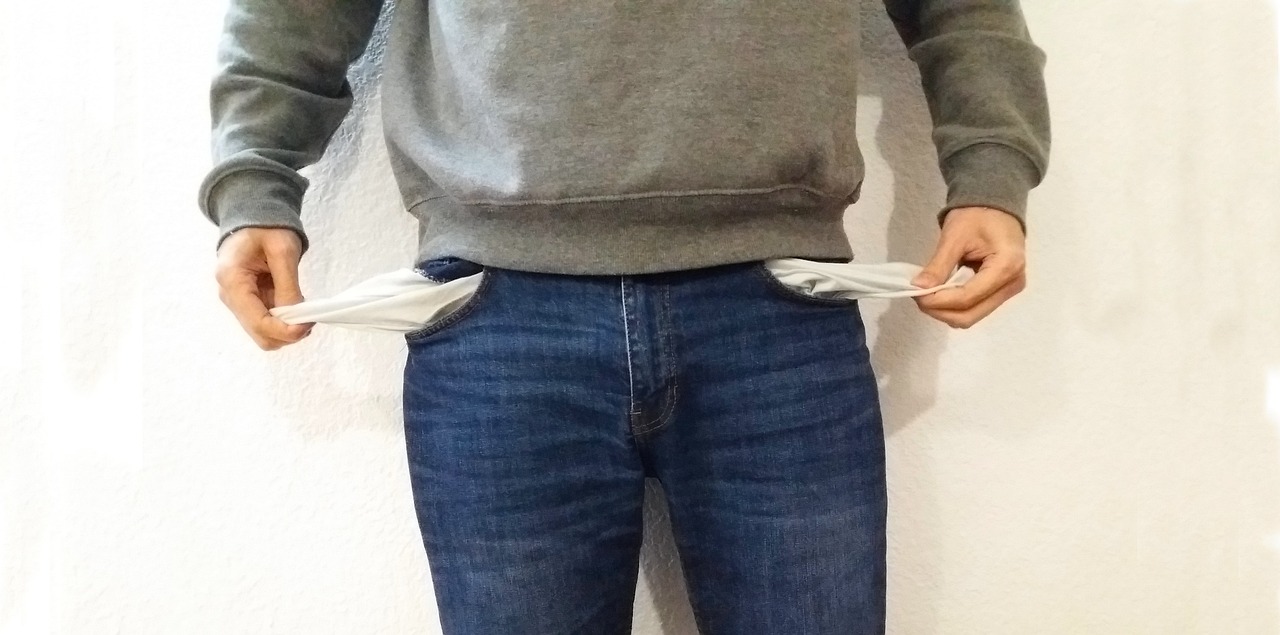
Many feel a pang of guilt when thinking about unfinished projects or money spent. Yet these emotions are often disproportionate to reality. Vacations are meant for rejuvenation—you deserve this time just as much as you deserve a stress-free return. To ease this guilt, remind yourself that these pauses are essential for your overall balance. Even a Harvard study highlights that people who take regular breaks are more productive and creative in the long run.
Frequently asked questions about stress-free post-vacation returns
How long does it take to adjust after vacation?
It varies from person to person, but on average, allow 2 to 3 days for a gradual return. If stress persists beyond a week, techniques like meditation or adjusting habits may help.
Do I absolutely have to return to work on the first day?
No, if possible. Even a half-day of rest or a transition day can make a difference. Listen to your body and don’t feel guilty if you need time to readjust.
Is meditation effective for reducing post-vacation anxiety?
Yes, studies show that regular meditation lowers cortisol (the stress hormone) and boosts resilience to change. Just 5 to 10 minutes a day can yield noticeable effects.
How can I stop overthinking unfinished projects after vacation?
Write them down in a dedicated notebook and prioritize them. Once listed, visualize them as a logical sequence rather than an insurmountable mountain. You can also pair this with a meditation session to release tension.
Can I apply these techniques even with a packed schedule?
Absolutely. Micro-practices like conscious breathing or a 10-minute walk fit easily into any day. Consistency matters more than duration.
What if stress persists despite these tips?
If anxiety becomes overwhelming, don’t hesitate to speak with a professional (doctor, therapist). Sometimes, an outside perspective helps identify tailored solutions.
Create my personalized meditation
Create my personalized meditation→The article topic will already be filled in