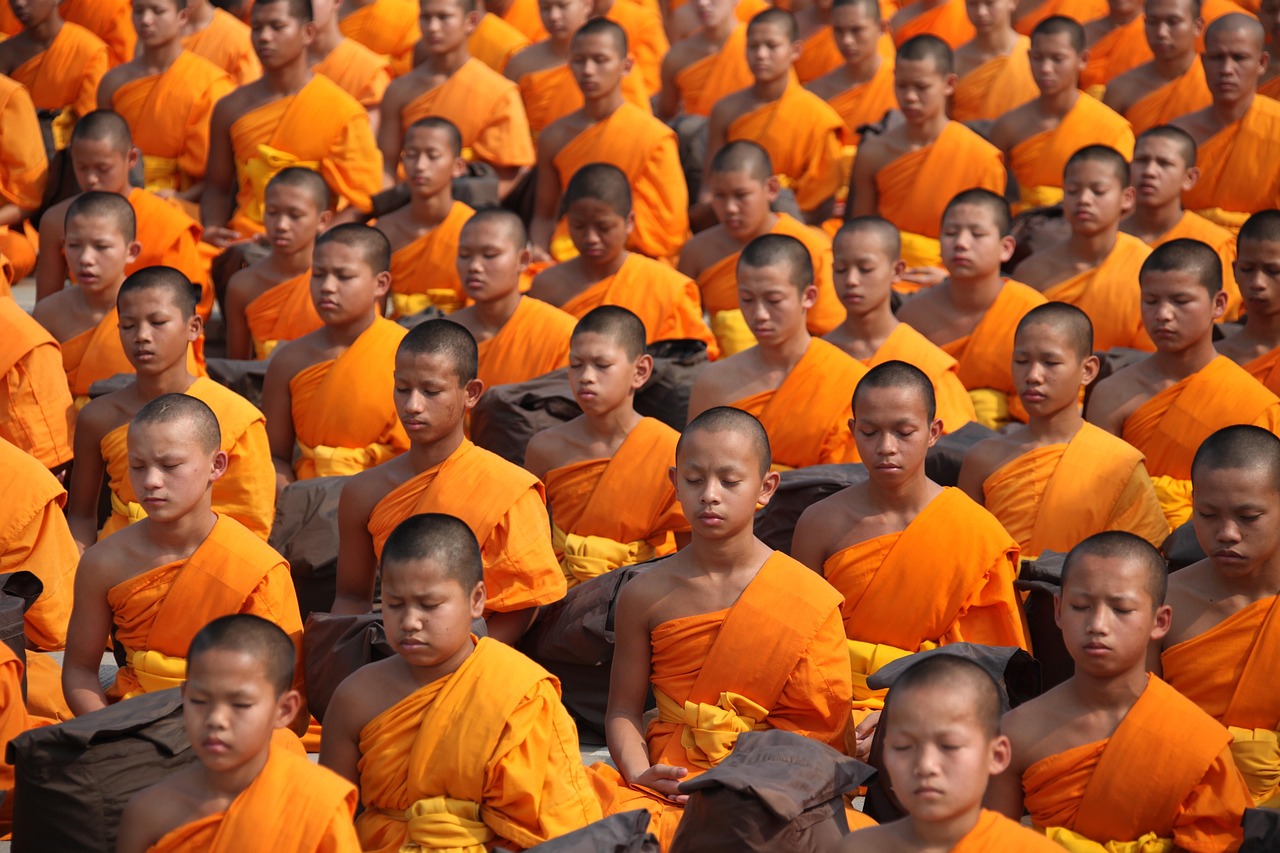
While meditation often conjures images of monks sitting in silent stillness for hours, the truth is there are hundreds of approaches tailored to every temperament and need. Whether you're looking to reduce stress, gain deeper insight into your emotions, or simply take a moment for yourself, exploring these different practices can help you find the one that truly resonates with you. Let’s dive into the major meditation families and their unique features together.
Mindfulness: A Simple and Accessible Starting Point
Popularized by Jon Kabat-Zinn in the 1970s, mindfulness meditation (or mindfulness) is a secular practice with no religious ties. It involves cultivating kind, non-judgmental awareness of the present moment, focusing on the breath, bodily sensations, or passing thoughts. Widely studied and recommended protocols like MBSR (Mindfulness-Based Stress Reduction) and MBCT (Mindfulness-Based Cognitive Therapy) are now go-to tools for managing stress, anxiety, or sleep issues. Its greatest strength? A simple, adaptable practice that fits seamlessly into daily life—even in just a few minutes a day.
Buddhist Roots: Traditions and Variations
Meditation originated in Buddhism over 2,500 years ago, and today, countless traditions coexist, each with its own methods and goals. For example, Vipassana meditation, often linked to S.N. Goenka, focuses on observing bodily sensations to build sustained attention. The Mahasi method, on the other hand, uses subtle gestures (like lifting fingers) to mark breathing cycles and experiences. These practices aim to foster deep insight into the nature of the mind and emotions.
Zen and Tibetan Buddhism: Two Paths to Wisdom
In Japan, Zen offers two major schools: Rinzai, which uses koans (paradoxical riddles to transcend the intellect), and Soto, centered on seated meditation (Shikantaza, or 'just sitting'). These methods encourage an immediate, effortless presence. Tibetan Buddhism blends Shamatha (mental calm) with Vipashyana (insight meditation), incorporating techniques like Tonglen (breathing in darkness and exhaling light) or Dzogchen, a direct path to pure awareness.
Meditation and the Body: Somatic Approaches
Some meditation practices use the body as a gateway. The body scan involves directing attention to each part of the body, often from the toes up to the crown of the head. A staple in MBSR programs, this method is perfect for reconnecting with yourself and releasing physical tension. Yoga Nidra, or 'yogic sleep,' guides the mind into a deeply relaxed yet conscious state. These approaches are especially helpful for those sensitive to trauma or chronic pain.
Yogic and Vedantic Traditions: Breathing and Repetition
Yoga isn’t just about postures—techniques like Pranayama (breath control) and mantra meditation (such as the famous 'Om') are powerful tools for calming the mind. Yoga Nidra, mentioned earlier, combines relaxation with visualization. Rooted in sacred texts like the Upanishads, these practices seek to harmonize body and mind while cultivating mindful presence.
Loving-Kindness and Compassion: Cultivating Altruism
Metta meditation (or Metta Bhavana) focuses on nurturing unconditional love—first toward yourself, then toward others. This practice, derived from Theravāda Buddhism, strengthens empathy and reduces negative judgments. Secular adaptations, such as self-compassion frameworks inspired by Kristin Neff, emphasize kindness toward oneself during difficult moments.
Between Spirituality and Modernity: Secular and Practical Approaches
Today, meditation has expanded far beyond its religious origins. Methods like heart coherence, guided meditation, and evidence-based apps (such as Oh-myzen) make it an accessible, customizable practice for daily life. Modern approaches leverage scientific research to address real needs: stress management, improved focus, or emotional support.
Ready to Give It a Try? Find Your Ideal Meditation
With so many options, how do you choose? Start by identifying your primary goal: Do you want to calm your mind, manage emotions better, or simply carve out time for yourself? Try different methods for a few days without expecting immediate results—meditation is an exploration, not a performance. And remember, tools like Oh-myzen’s personalized guided meditations are here to support you, adapting to your pace and needs.
“Meditation is not an escape, but a serene encounter with reality.” — Thich Nhat Hanh
At a glance
| Type of meditation | Origin / tradition | Core principle | Best for |
|---|---|---|---|
| Mindfulness | Secular approach (Jon Kabat-Zinn) | Kind, non-judgmental attention to the present moment | Stress, anxiety, sleep issues |
| Vipassana | Buddhism (S.N. Goenka) | Observing bodily sensations | Sustained attention, insight into the mind |
| Zen (Rinzai / Soto) | Japanese Buddhism | Koan practice or seated posture (Shikantaza) | Immediate presence, letting go |
| Tibetan Buddhism | Shamatha / Vipashyana | Mental calm and deep insight (Tonglen, Dzogchen) | Pure awareness, working with emotions |
| Body scan / Yoga Nidra | MBSR protocols, yogic tradition | Body awareness, conscious deep relaxation | Reconnecting with the body, trauma, chronic pain |
| Metta (loving-kindness) | Theravada Buddhism | Cultivating unconditional love for oneself and others | Empathy, self-compassion, negative judgment |
Frequently asked questions
What's the difference between mindfulness meditation and traditional Buddhist meditation?
Mindfulness, popularized by Jon Kabat-Zinn, is a secular approach rooted in Buddhist traditions but stripped of any religious framing. It focuses on present-moment awareness through protocols like MBSR or MBCT, whereas Buddhist traditions such as Vipassana or Zen keep their spiritual framework and their goal of deep insight into the workings of the mind.
What is Yoga Nidra and who is it for?
Yoga Nidra, or yogic sleep, guides the mind into a state of deep relaxation while keeping a thread of awareness alive. It blends relaxation with visualization and belongs to the somatic approaches that are especially well suited to people sensitive to trauma or chronic pain.
What exactly are MBSR and MBCT?
MBSR (Mindfulness-Based Stress Reduction) and MBCT (Mindfulness-Based Cognitive Therapy) are protocols derived from mindfulness meditation that are now widely studied and recommended for managing stress, anxiety, or sleep issues. They're built around practicing breath awareness, noticing bodily sensations, and observing thoughts without getting caught up in them.
What is Metta meditation and how do you practice it?
Metta meditation, or Metta Bhavana, is about cultivating unconditional love, starting with yourself before extending it outward to others. Rooted in Theravada Buddhism, it strengthens empathy and softens negative judgment; modern approaches like Kristin Neff's self-compassion work offer a secular take centered on kindness toward oneself.
How do you choose the right type of meditation for you?
There's no one-size-fits-all method: the best approach is to identify your main goal, whether that's calming the mind, managing emotions, or simply carving out time for yourself, and then try a few different practices for several days without expecting instant results. Meditation is really an exploration rather than a performance, and tools like Oh-myzen's personalized guided meditations can help you find a practice that fits your pace and your needs.
Do you need to be Buddhist or religious to meditate?
No, meditation has moved well beyond its religious origins. Methods like heart coherence breathing, guided meditation, or evidence-based apps now make the practice accessible and entirely secular, with no spiritual dimension required.
Continue with a meditation created specifically around this topic.
Create my meditation on this topic→The article topic will already be filled in